A Society Where Solitude Feels Natural
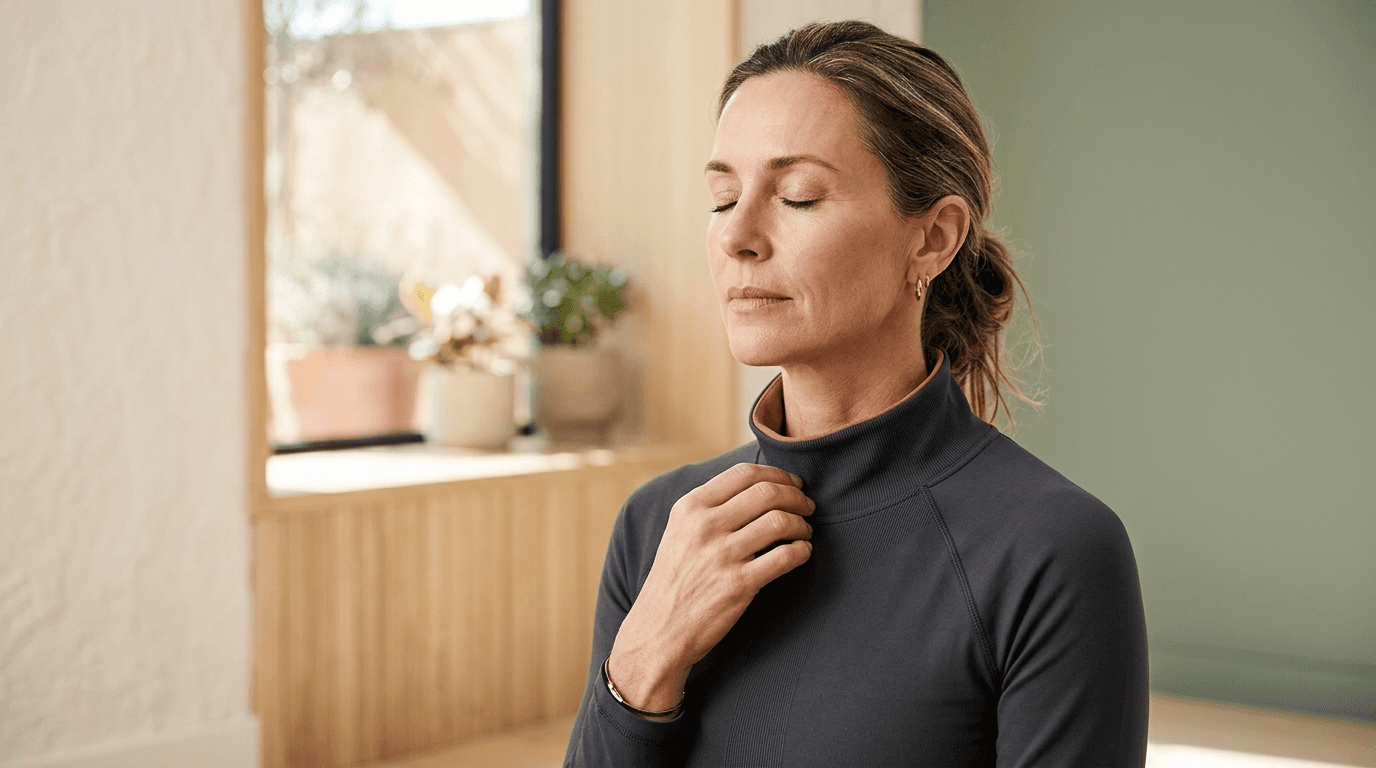
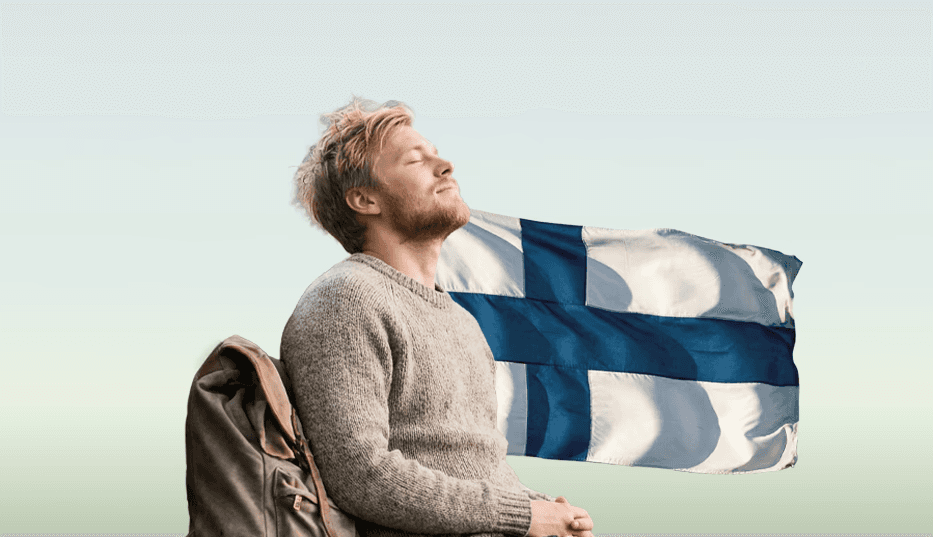
In Finland, time spent alone is not considered a deliberate or unusual choice. It holds the same quiet legitimacy as time spent with others — a natural part of everyday life. A weekend without plans, a silence without conversation, a walk through the forest alone: these moments are not understood as absence or lack, but as the restoration of balance. In Finnish society, the more instinctive question is not "why are you alone?" but rather, "do you have enough time to yourself today?"
Relationships That Don't Require Words
One of the most distinctive qualities of Finnish culture is that silence doesn't feel uncomfortable. The absence of conversation doesn't signal disconnection — it simply means that nothing needs to be said, and that's perfectly fine. This attitude extends naturally into how wellness is understood. Rather than the pressure to constantly express, connect, and respond, what matters is the capacity to simply be — without having to do anything at all. Wellness here is not about performing rest through particular activities. It centers on the quiet permission you give yourself to stop.
The Distance That Nature Creates
Finland is one of Europe's least densely populated countries, with vast stretches of forest and lake that make up most of its landscape. Even in urban areas, the proximity to nature makes it easy to preserve a certain psychological distance — not just from other people, but from oneself. Rather than staying constantly connected, moments of deliberate withdrawal are woven naturally into daily life. That distance doesn't function as isolation. It works more like a precondition — the breathing room that makes reconnection possible.
Stepping Back from Overstimulation
In today's digital environment, stimulation never stops. Notifications, messages, and content flow without pause. Rather than resisting this head-on, Finnish wellness focuses on intentionally carving out a step back — a moment of deliberate stillness. No app required, no program to follow. The time that is simply emptied out does the work of rest and recovery on its own. This is an approach that subtracts rather than adds, and in doing so, invites a genuine reinterpretation of what wellness actually means.
The Ability to Do Nothing
What's striking is that in Finland, "doing nothing" is regarded not merely as rest, but as a cultivated ability. Spending time without a plan, passing a day without measurable output, remaining at ease without external stimulation — this is treated as a refined skill, something honed over time. In many cultures, wellness is defined by what you do. In Finland, the standard is what you are able to not do. The quiet time you allow yourself becomes the very core of wellness.
Wellness Is Not About Filling — It's About Emptying
Finnish wellness asks us a pointed question: why are we always trying to fill something, and why does unoccupied time make us uneasy? That question reveals that wellness is not only a matter of new routines or better products — it is fundamentally about how we choose to use our time. In Finland, time spent alone is understood less as a form of self-management and more as a way of simply returning to yourself — recovering through presence, rather than effort.