In Japan, bathing is a cherished ritual that extends far beyond hygiene.
While showering cleans the body, bathing is a time to relax at the end of the day. In Japanese, “to bathe” typically means immersing the entire body in a bathtub filled with hot water. Unlike the quick showers common in Europe and the U.S., soaking in a bathtub several times a week is a central part of daily life in Japan, especially for families with children. This mindset is reflected in how Japanese homes are designed and in the structure of the bathing ritual.
Separate Spaces for Washing and Relaxing
Japanese bathrooms highlight this distinction. The toilet and the bathing area are separated, unlike in many Western bathrooms. Inside, the bathtub is kept apart from the washing area. People wash with soap and shampoo before soaking because the tub is for relaxation, not cleaning. Sharing bathwater is common—not for cleanliness, but for relaxation. When children bathe with their parents, it underscores the tub's role as a place for family bonding rather than just personal hygiene. Beyond the private home, this philosophy extends to communal experiences across Japan.
Onsen: Bathing as a Way of Life
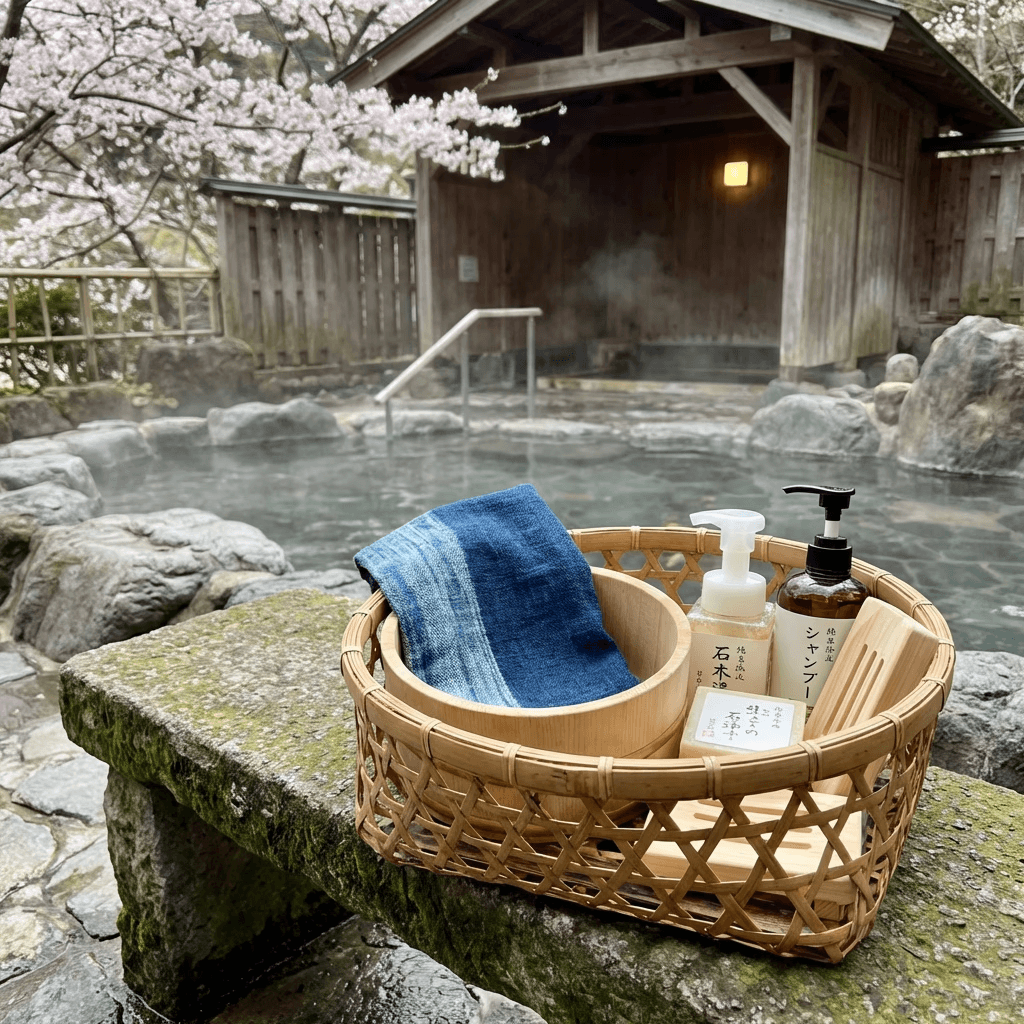
Japan’s bathing culture is tied to its environment. Volcanic activity created abundant hot springs, making bathing accessible. Records show emperors used hot springs over 1,300 years ago, and Buddhist temples offered public baths as charity. Bathing was viewed as meritorious and became central to daily life. These deep roots have influenced modern understandings of the bath’s role for both health and comfort.
The Warmth That Soothes
Recent studies suggest regular bathing offers some health benefits. Soaking promotes relaxation and circulation. Warm baths relax blood vessels, release tension, and ease daily fatigue. The effects of warm water immersion on the body are both physiological and psychological.
The Body in Water
Immersion adds buoyancy and hydrostatic pressure. When water reaches the shoulders, the body’s weight is partially supported, easing strain on muscles and joints. Water pressure also improves circulation, especially in the lower body, producing a natural feeling of lightness. These benefits occur automatically, without conscious effort. With these advantages in mind, the manner of taking a bath, including the water temperature, becomes even more significant.
Moderation Over Heat
Japanese baths are rarely extremely hot. Excessive heat can be stimulating, while moderate warmth calms and relaxes the body. Bathing is understood as a time for relaxation, emphasizing duration and comfort over temperature. This thoughtful, balanced approach to bathing is a core aspect of the Japanese perspective.
Bathing as an Attitude
Japanese bathing culture isn’t about simply managing health—it’s an attitude toward the body and life. This long-standing habit emphasizes a daily opportunity for inactivity and reflection, showing that wellness can be both simple and fulfilling.