Stress is not a new problem. What has changed is the way we understand it.
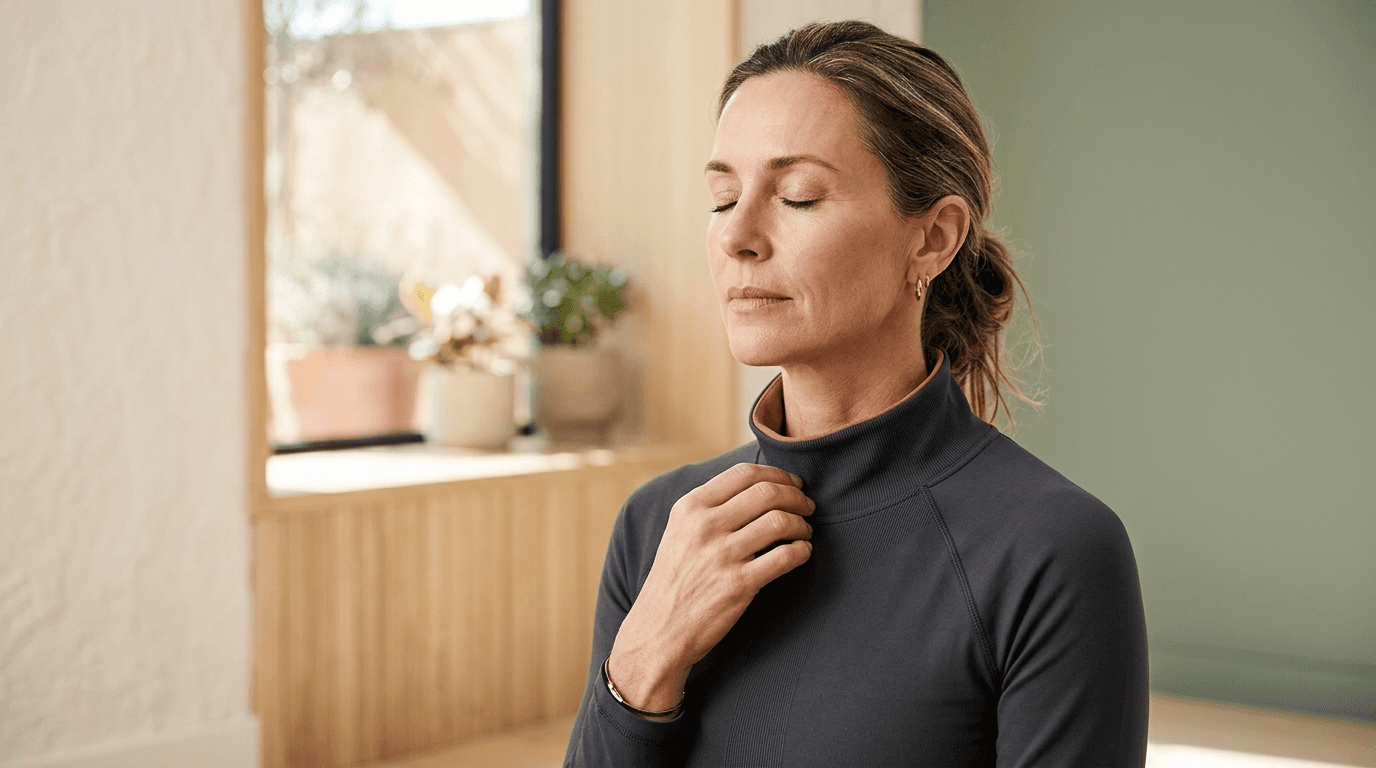
If wellness in the past focused on ways to reduce or relieve stress, global wellness in 2026 is increasingly turning its attention to how the body and mind recover after stress.
The Global Wellness Summit describes this shift through the rise of “neurowellness,” an emerging approach centered on nervous system regulation, recovery, and resilience.
The Focus of Stress Care Is Shifting from Relief to Regulation
Until now, stress care has largely focused on finding ways to lower stress.
Meditation, exercise, rest, and travel have been among the most common ways to release tension.
But for many people today, stress cannot be resolved through a short break alone.
Constant notifications and information, blurred boundaries between work and personal life, and insufficient sleep create ongoing stimulation throughout the day. The Global Wellness Summit suggests that these environments can place the nervous system in a prolonged state of tension, leading to a growing focus on nervous system regulation and recovery rather than simply reducing stress.
The focus is beginning to shift from eliminating stress to developing the ability to return to a more stable state after stimulation.
The 2026 Keyword: Neurowellness
At the center of this shift is neurowellness.
Neurowellness does not simply refer to brain health. It is a broader wellness concept that looks at how the nervous system responds, recovers, and adapts to everyday stimuli.
The Global Wellness Summit notes that this field is expanding across a wide range of approaches, from somatic practices that use breathing, yoga, and body awareness to wearables and neurotechnology.
Sleep, in particular, has become an important point of connection.
The quality of sleep is an everyday indicator through which we can sense whether the body is recovering sufficiently. Lifestyle medicine also increasingly recognizes sleep and circadian health as important areas connected to mental health, metabolic health, immunity, and aging.
The Backlash Against “Over-Optimization”
Another interesting movement is emerging alongside this trend.
Over the past several years, wellness has rapidly evolved toward measurement and optimization.
A culture has developed around constantly checking our condition through data such as sleep scores, heart rate, activity levels, and blood glucose.
But there is growing recognition that the effort to measure everything and continuously pursue a better state can itself become another source of pressure.
The Global Wellness Summit identifies this “backlash against over-optimization” as one of the key wellness movements of 2026, highlighting a renewed interest in sensation, enjoyment, emotional recovery, and connection over measurement and performance.
Rather than constantly monitoring ourselves in the name of health, there may also be moments when we need to stop measuring altogether and simply notice how we feel.
Why Stress Care Is Becoming a Lifestyle
The evolution of stress care is not simply about changes in products or services.
Wellness spaces are experimenting with lighting, sound, nature, movement, and breathing to create environments that feel more calming and restorative.
In wellness travel, too, there is a growing preference for experiences that support nervous system recovery—such as breathing practices, slow movement, and connection with nature—rather than high-intensity programs.
Ultimately, stress care is moving from something practiced at a specific time to something naturally integrated into the environment and rhythm of everyday life.
The Feeling That You Can Recover
Perhaps more realistic than a life without stress is the feeling that you can find your balance again after stress.
Wellness is therefore gradually moving away from the pursuit of maintaining a perfect condition at all times.
Instead of trying to remain in an ideal state, there is growing interest in recognizing changing states, slowing down when necessary, and finding our own rhythm again.
The Future’s perspective on wellness is also connected to this shift.
Caring for yourself is not necessarily about constantly trying to create a better version of yourself. It is closer to understanding your changing body and mind and finding a rhythm of life that responds to them.
Stress will not disappear from our daily lives.
If so, perhaps the question does not need to remain simply:
How can I eliminate stress?
Instead:
What state am I in right now? And how naturally am I finding my way back to myself?
The next stage of stress care may begin not with relief, but with understanding recovery.