We all want better skin, but the process can often feel complicated.
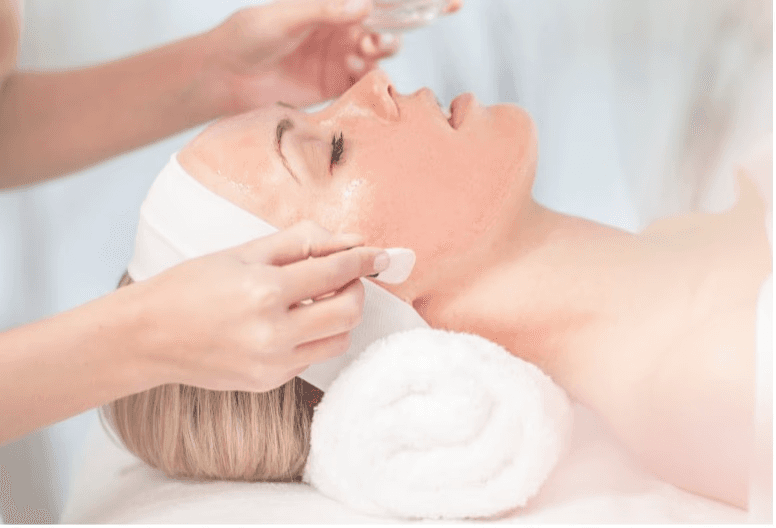
The thought of visiting a specialized clinic, the cost, the vague anxiety over lengthy procedures—what if we looked at it differently? Perhaps anti-aging care isn’t about “what to add”, but “what to preserve.”
Reading Skin as It Changes Over Time
Our skin tells its story through the passage of time.
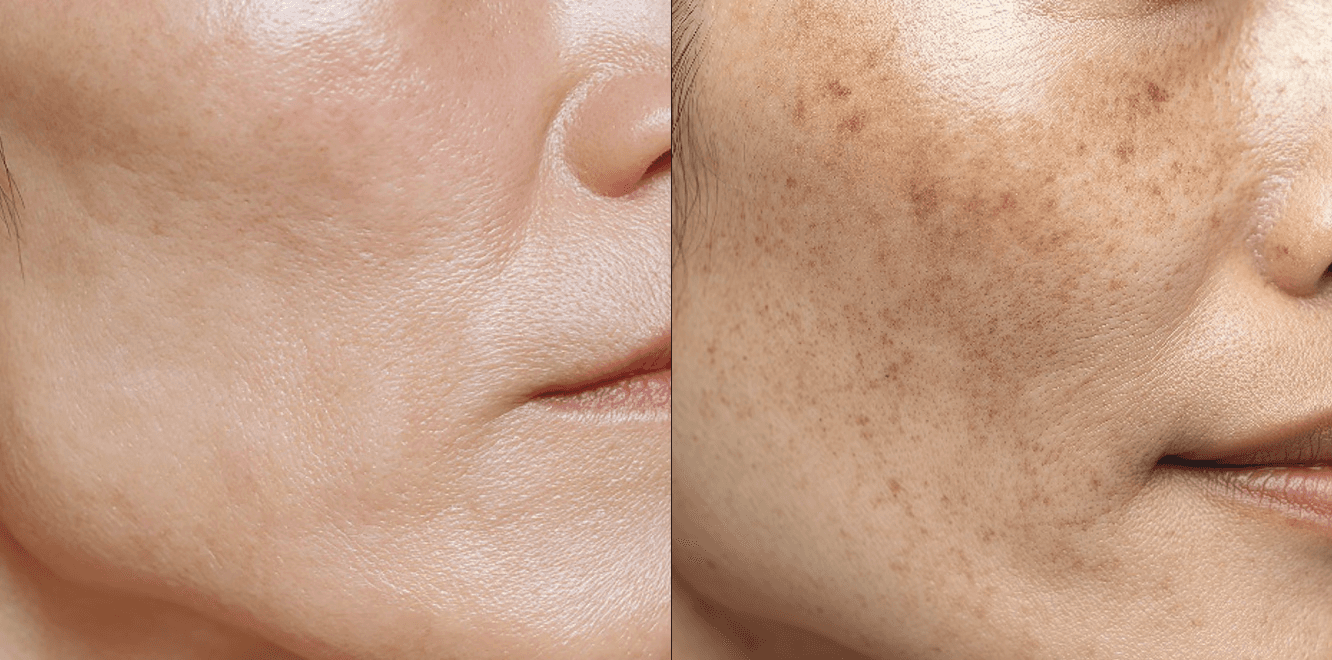
Loss of elasticity signals a decline in collagen and elastin.
Fine lines indicate reduced moisture in the skin’s layers, while a dull complexion may reflect a slowed cell renewal cycle.
The challenge is that many people overlook these early signs and take action only when noticeable changes appear.
EOA’s anti-aging philosophy begins with a simple habit: pausing daily in front of the mirror to observe your skin. Noticing differences from one day to the next and paying attention to specific areas is the first step in effective at-home anti-aging care.
Designing Skin Structure
Anti-aging isn’t just treatment—it’s design. In this context, design means intentionally shaping your skin by addressing its structure and needs at every level. Over time, skin loses elasticity, moisture, and firmness. Restoring it requires a tailored, layer-by-layer approach—from the deepest layers to the surface.
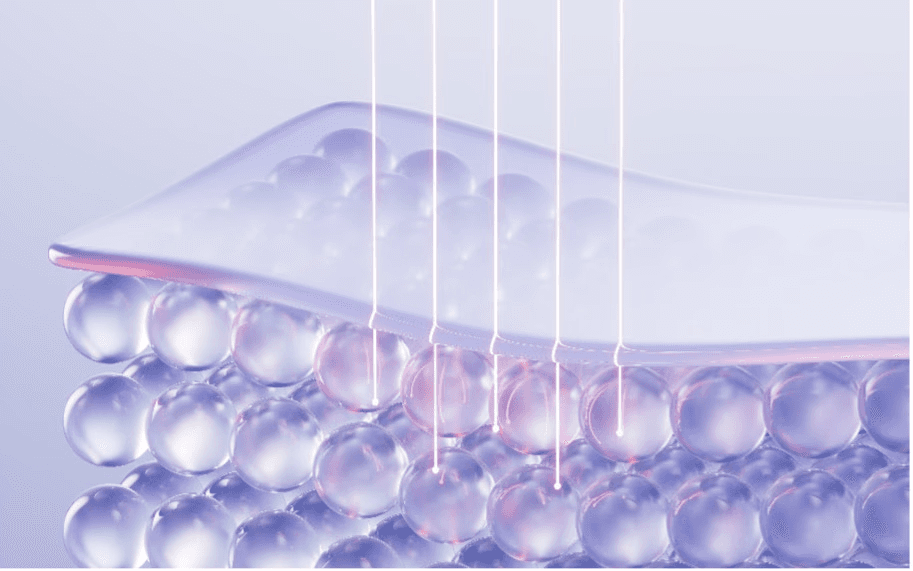
First, design refines sagging pores, repairs the protective barrier, and revitalizes the surface. When these three work together, skin reaches a stable, balanced state. Treating each step in isolation is temporary; true transformation happens when care addresses all layers simultaneously. This is the essence of the anti-aging design approach: viewing skin care as a process of purposeful, comprehensive structuring.
Products and Technology Work Together
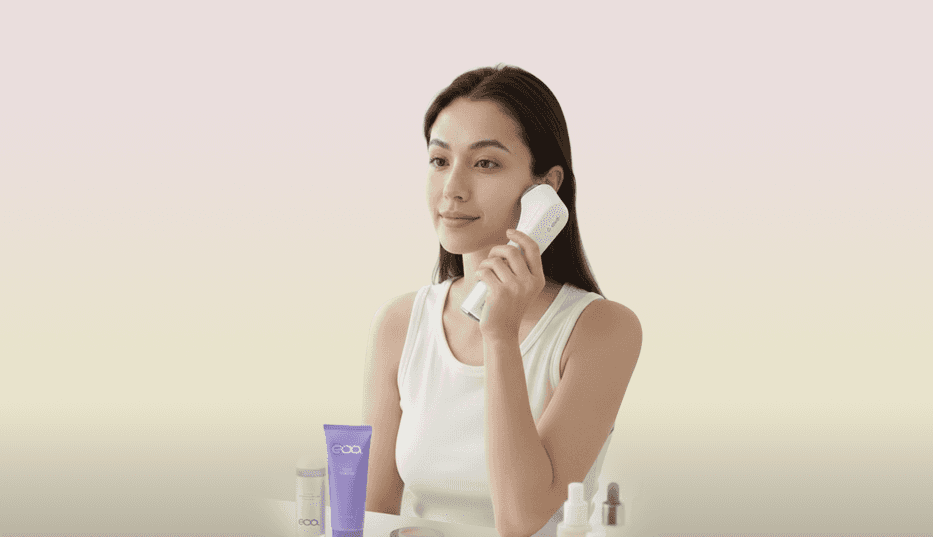
EOA’s approach combines cosmetics and technology for full-spectrum care.
Cosmetics deliver precisely what each skin layer needs: restoring deep elasticity, strengthening the surface barrier, and revitalizing the skin’s surface. When used together, they unleash the skin’s regenerative power.
Technology reaches depths that products alone cannot, gradually stimulating cell regeneration from the deepest layers to the surface. Applied on skin already nourished with cosmetic care, it produces noticeable changes.
Together, these elements complete the anti-aging design—building resilient, enduring skin.
This doesn’t replace dermatologists—you should seek professional care when needed. But it does mean you can proactively design your skincare routine at home, even before or alongside professional treatments.
Skin that resists the effects of time isn’t a lofty goal. It comes from consistent, daily care, attentive observation, and a step-by-step anti-aging design. Ultimately, caring for your skin is a process of noticing changes, responding thoughtfully, and shaping your skin over time.